History of Shri Ramrekha Dham
Ancient Religious Heritage
Ramrekha Dham is the most ancient religious site in Simdega district under Jharkhand state. Here lies the ashram of Sage Agastya. His contemporary sages are still practicing penance in the Muni Cave even today. Located at an elevation of 1312 feet above sea level, sages have been performing penance at this dham since the Treta Yuga.
The immortal Ramrekha Baba Jayaram Prapannacharya Ramanuj Das Ji Maharaj also had darshan of these sages. Revered Devaraha Baba visited here in 1958 and also went to the Muni Cave to converse with them.
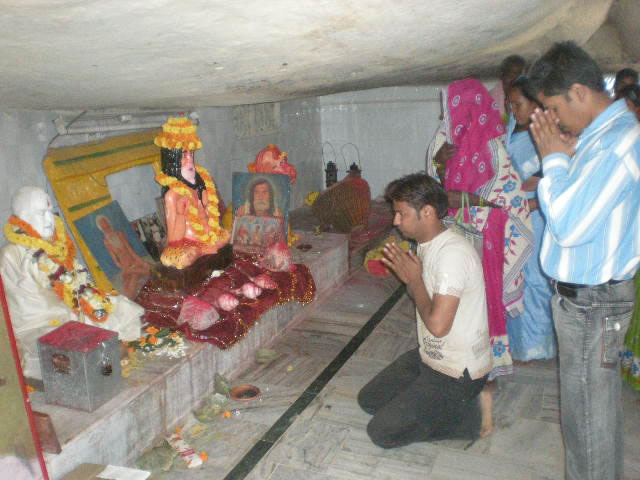
Lord Rama's Arrival in Treta Yuga
Historical Document - RVY Map
Explore the detailed historical map documenting Lord Rama's journey during the Treta Yuga period. This authenticated document provides insights into the sacred path taken by Lord Rama, Mata Sita, and Lakshmana during their 14-year exile.
In Treta Yuga, to fulfill his father's promise, Lord Rama, the ideal among men, began his forest journey for fourteen years of exile. During this journey, he performed tarpan (ritual offering) for his father King Dasharatha in Gaya. From there, traveling southward, he reached the ashram of Agnijihva Muni, a disciple of Sage Gautama.
The ashram was surrounded by mountains and forests and encircled by wild animals. Today, this very place is famous as Shri Ramrekha Dham. This beautiful site is located in the Pakartand block of Simdega district in Jharkhand state.
Here, Lord Ramchandra spent Chaturmas (the four months of the rainy season) with his younger brother Shri Lakshmana and wife Mother Sita.
Here, Mother Sita used tubers, roots, fruits, and flowers to prepare meals. Mother Sita's kitchen, the bow-shaped pond for bathing, and the rangoli (Sita Chauk) made by her hands still exist today.
Lakshmana Ji Maharaj, staying nearby, personally arranged water for bathing and other purposes. This place is now known as Gupta Ganga.
At Ramrekha Dham, footprints of Shri Rama, Lakshmana, and Mother Sita can be easily seen at various places. Here, some sage-princes are absorbed in penance, and the offerings from their yajnas can be seen in the fire altar (Agni Kund).
Discovery by King Hariram Singh Dev
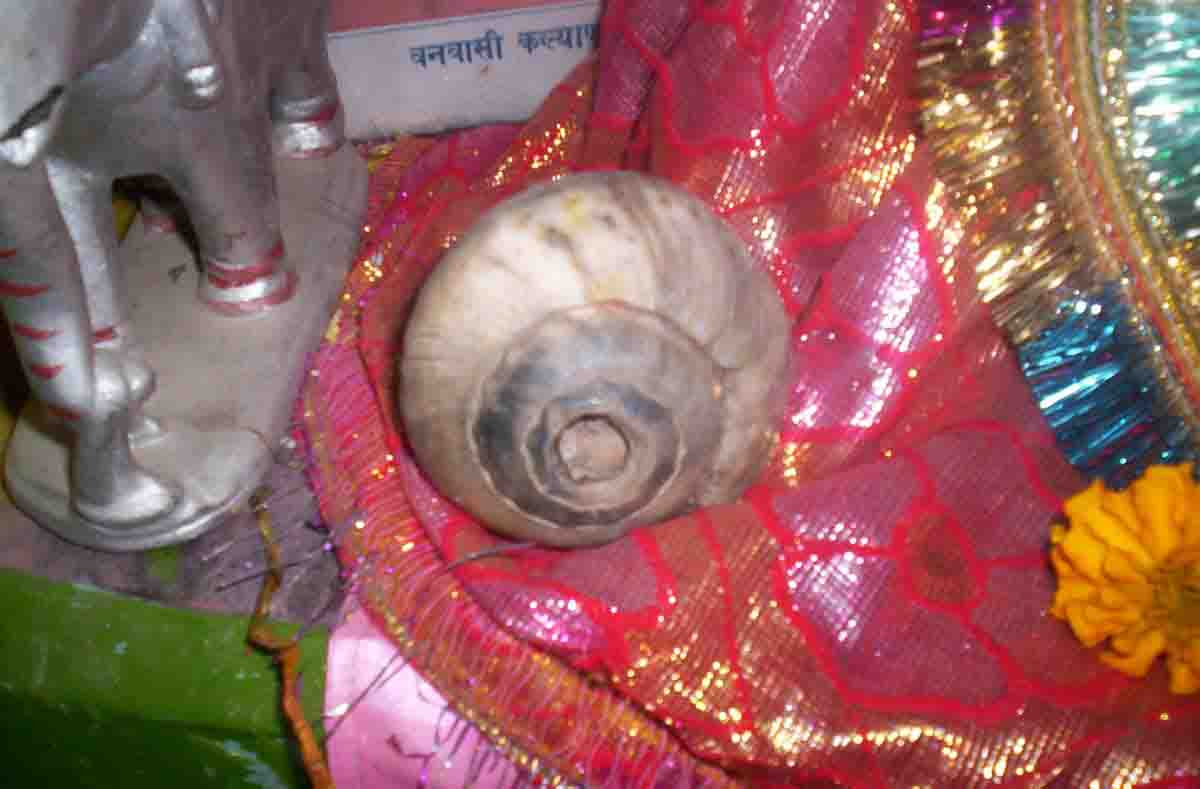
Ancient Shivling and Sacred Conch
One day, King Hariram Singh Dev, the 15th generation ruler of the Gangvanshi Biru royal dynasty, while hunting in the Keshalpur pargana area, reached a site surrounded by forest kings, bears, monkeys, and other creatures, where the melodious songs of various forest dwellers and birds created a magnificent atmosphere.
The tired king set up his camp at this site. Upon arriving there, he found some peace and felt delighted with joy. At this time, he heard the sacred sound of 'Ram-Ram' in his ears.
Filled with curiosity, King Shri Hariram Singh Dev looked around and moved toward the direction from where this pleasant, beautiful sound was coming. There he saw a cave covered with vines and leaves.
He instructed his companions to clear the vines and leaves. His eyes first fell upon a Shivling, to which the king bowed down in reverence. Moving ahead, he saw a black conch on an earthen altar from which the name of Shri Rama was continuously resonating as 'Ram-Ram'.
He touched the conch to his forehead in reverence and personally made appropriate arrangements for the protection of that conch.
Divine Vision
After returning to his palace, one day the king had a dream that the Shivling he had seen was established by Shri Rama Ji himself during his exile period. As evidence of this, he had left his conch there, which continuously chants my name day and night.
After this dream, the king could find no peace, and from that very moment, he became a devoted follower of Lord Shri Rama, accepted Vaishnavism, and became a disciple of the Ramanuja sect.
From then onwards, the responsibility of worshipping the holy conch every year was given to the local Pahan Baiga and every year on the day of Kartik Purnima, he himself used to come to this place and after performing the appropriate worship, he used to organise the Raas Leela (festival of swinging Radha Krishna in a swing, Sankirtan, Ramleela and devotional programmes).
The moon itself would witness this scene on a full moon night. At that time, there was no fear of theft, snatching, etc. People would come from every village.
Development of the Dham
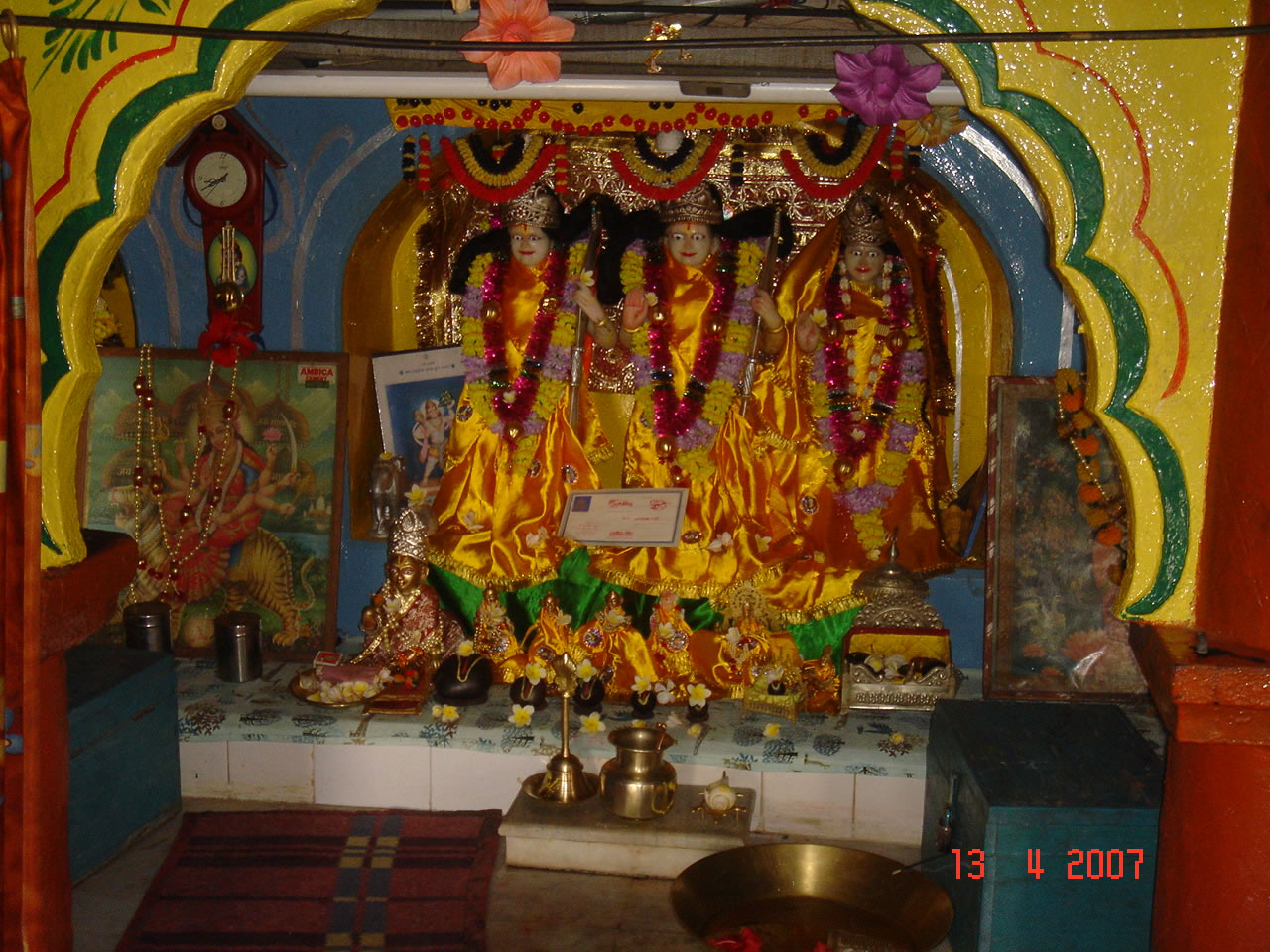
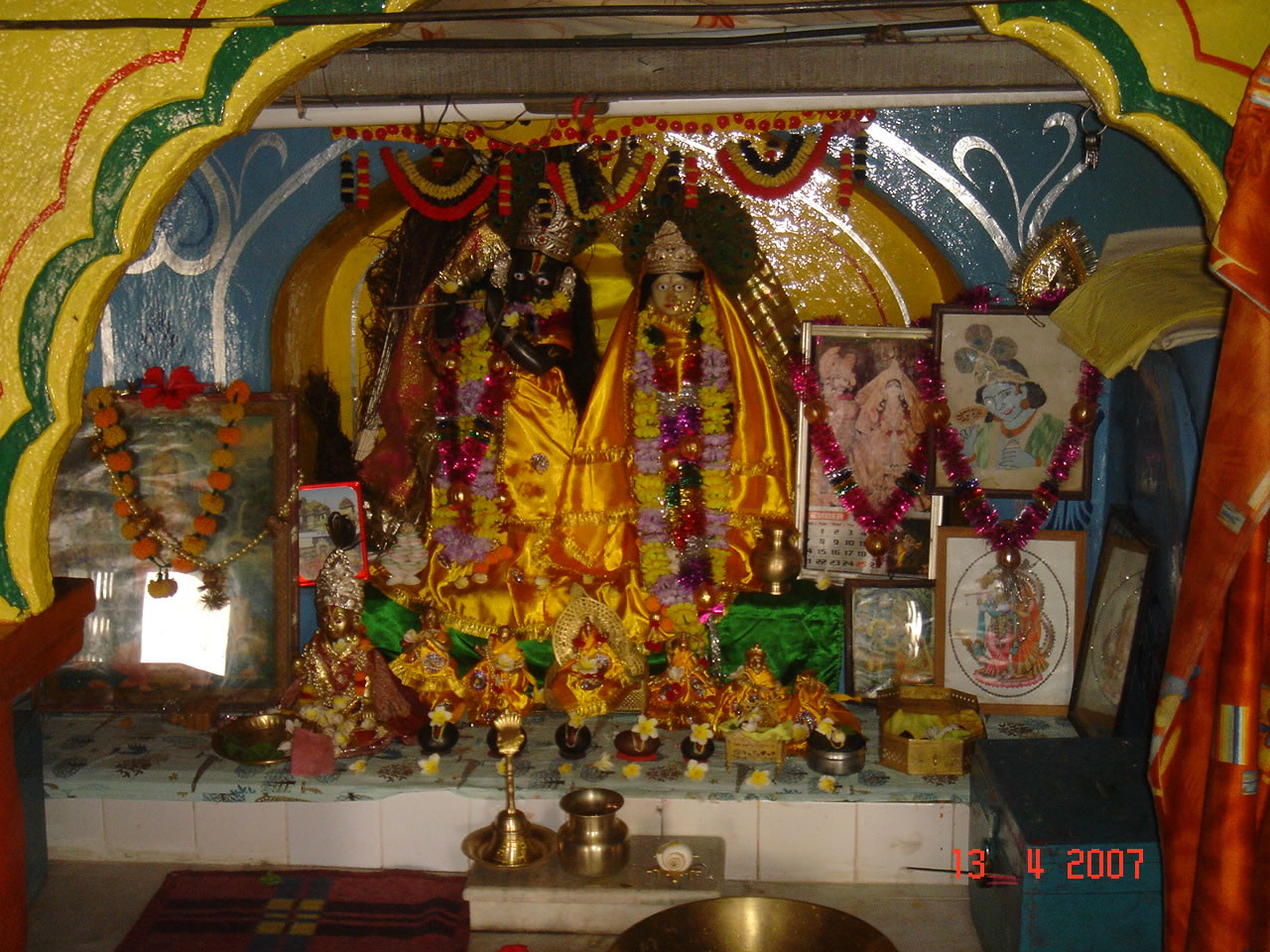
After King Hariram Singh Dev came Indrajit Singh Dev, and then during the time of his son Gajraj Singh Dev, the dham underwent significant development. He donated the land of Paledih Manjhiyus as Devottar (religious endowment).
He had stone idols of Shri Rama, Lakshmana, and Janaki brought from Banaras and installed them.
Thereafter his son Raja Gajraj Singh Dev and then his son Raja Shri Nivas Hukum Singh Dev continued this tradition and in 1916 established the beautiful idol of Radha Krishna on the inspiration of his Ishtdev (desired deity) and on the suggestion of his gurus.
Hukum Singh Dev, as a religious endowment, gave the treasury and land of Ramrekha, Masekera, and Paledih to Shri Ramrekha Dham, had the dham's name recorded in the revenue records, and remained the manager himself. Even today, his descendants serve as managers.
Arrival of the Acharya
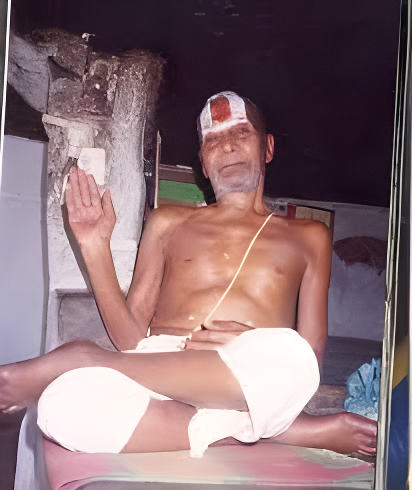
Swami Jayaram Prapannacharya Ji Maharaj
For the proper worship and rituals of this sacred place, Shri Dharmajit Singh Dev, son of Shri Nivas Hukum Singh Dev, went to Varanasi and requested his personal guru Swami Janardan Acharya Ji, explaining that such an incident had occurred at their place which required a capable acharya for its protection and development.
After carefully considering his request, Guru Swami Shri Janardan Acharya Ji Maharaj entrusted his disciple Acharya Shri Jayaram Prapannacharya Ramanuj Das Ji Maharaj with the responsibility of service at the said place.
From 1942-2007, Swami Acharya Shri Jayaram Prapannacharya Ramanuj Das Ji made people aware of religion. He travelled from village to village on foot and bicycle and narrated the glory of Shri Ram Ji and started organizing weekly satsangs for awakening of Hindu religion.
Modern Development
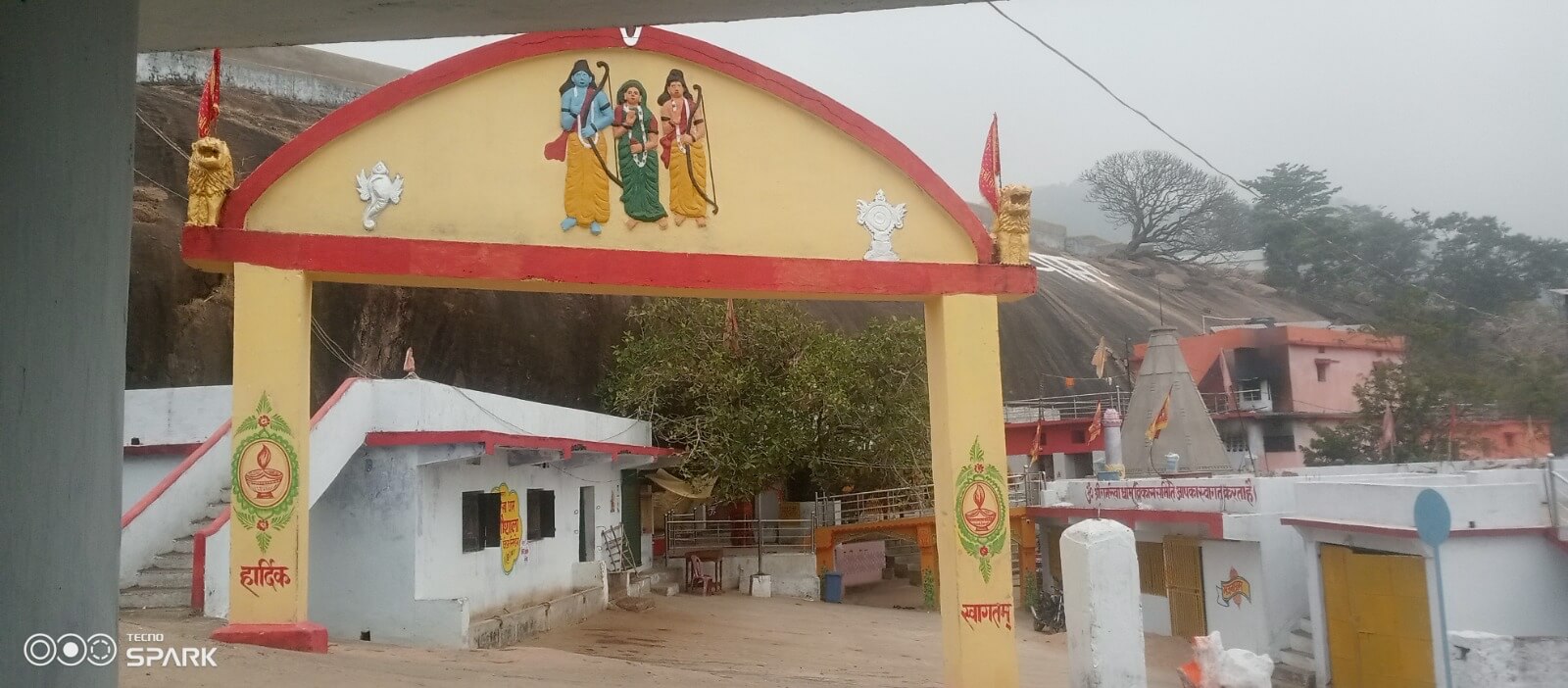
Modern Shri Ramrekha Dham Complex
Later, the Birugadh royal dynasty members Tikait Dhanurjay Singh Dev, Patait Padmaraj Singh Dev, and Lal Indrajay Singh Dev arranged land in villages Masekera and Paledih for God's offerings and created storage facilities.
The then Biru King Tikait Dharnujay Singh Dev, Patait Padmaraj Singh Dev, and Lal Shri Indrajay Singh Dev formed the Shri Ramrekha Dham Development Committee and worked to connect people with Ramrekha Dham.
Even today, descendants of that Biru royal family - Lal Shri Indrajay Singh Dev and Prince Shri Kaushal Raj Singh Dev - are the patrons of Shri Ramrekha Dham, and comprehensive development of Shri Ramrekha Dham continues through the Shri Ramrekha Dham Development Committee.
Today, this site is famous as a pilgrimage destination in Chotanagpur. On the occasions of Kartik Purnima and Magh Purnima, millions of devotees from Jharkhand, Chhattisgarh, and Odisha visit this site for holy baths in the pond, darshan, and worship to attain spiritual merit.